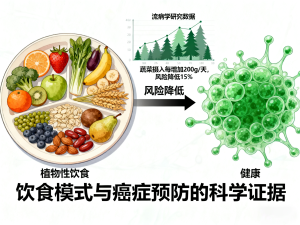



Breast cancer remains the most commonly diagnosed cancer among women worldwide. Although its发病 trends and risk factors have been extensively studied, public understanding of how diet contributes to breast cancer risk still falls far behind what scientific evidence now clearly indicates. Over several decades, research has repeatedly shown that dietary patterns rich in fruits, vegetables, whole grains, legumes, nuts, and seeds are closely associated with a reduced risk of several cancers, including breast cancer. In contrast, eating habits characterized by high consumption of red meat, processed meats, refined grains, and sugar-dense foods tend to increase risk.
Ⅰ. What Research Has Revealed About Diet and Cancer Risk
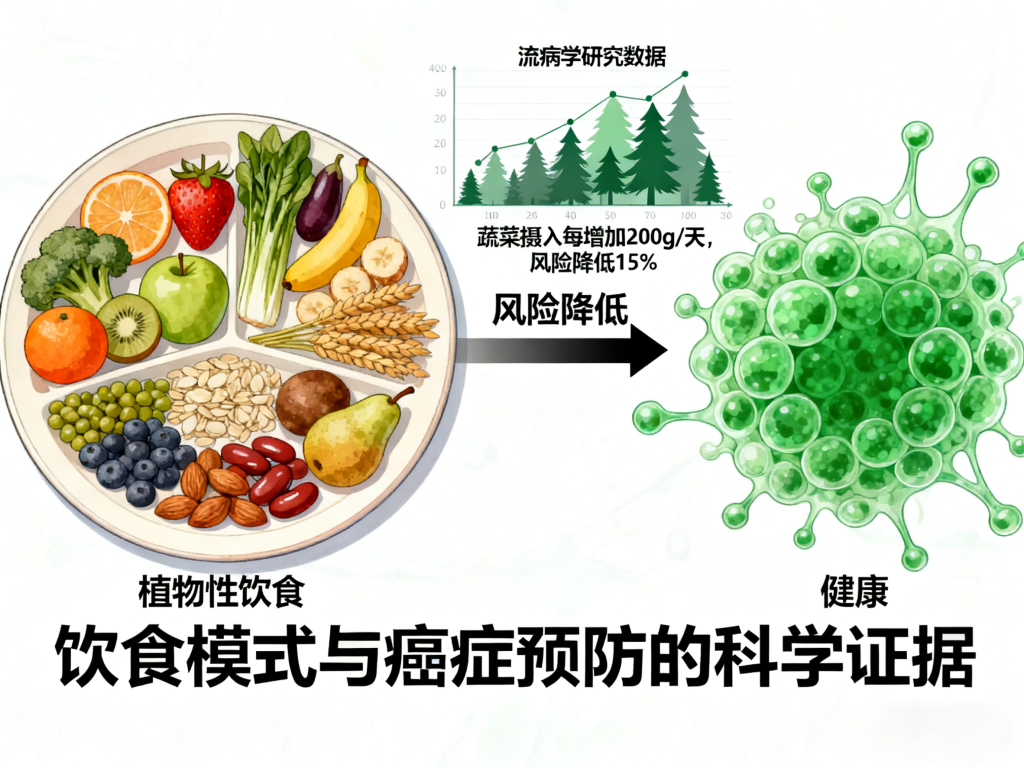
Large-scale epidemiological studies have consistently confirmed that plant-forward dietary patterns provide a protective effect against breast cancer. These foods supply fiber, micronutrients, and a wide range of bioactive compounds that help reduce inflammation, support hormonal balance, and limit oxidative stress—factors closely tied to cancer development.
Conversely, diets centered around processed meats, high-fat red meats, and heavily refined snacks often promote weight gain and metabolic imbalance. Excess body weight and chronic inflammation are recognized contributors to increased breast cancer risk.
Ⅱ. Public Awareness Significantly Trails Behind Evidence
Despite abundant research, most people still do not associate daily eating habits with breast cancer prevention.
A survey conducted in July 2025 by the Physicians Committee for Responsible Medicine (PCRM), involving more than 2,000 American women, provides a telling snapshot:
-
Only 25% mentioned diet as a factor for reducing breast cancer risk.
-
Only 5% brought up limiting meat intake.
-
A mere 1% specifically referenced plant-based eating.

These numbers highlight a striking knowledge gap between scientific findings and what the public perceives as meaningful prevention strategies.
Ⅲ. Why Translating Science Into Action Remains Difficult
Nutrition science is complex, and this complexity often makes practical guidance difficult to disseminate. While the research landscape clearly outlines risk patterns, turning these insights into everyday, approachable dietary advice requires targeted education and long-term public health communication.
Experts suggest focusing on a few accessible steps:
-
Emphasize whole, plant-rich foods by including fruits, vegetables, legumes, whole grains, and nuts in daily meals.
-
Cut back on red and processed meats, choosing poultry, fish, or plant proteins more frequently.
-
Reduce intake of sugary and highly refined foods, shifting toward minimally processed options.
-
Maintain a healthy weight and stay physically active, as diet and exercise work together to lower risk.
Ⅳ. Conclusion
Breast cancer prevention starts long before symptoms appear. While genetics and hormones play undeniable roles, diet remains one of the few modifiable lifestyle factors within everyone’s control. By adopting healthier eating patterns and paying closer attention to the foods that fuel the body, women can meaningfully reduce their long-term risk.
Understanding the science is important, but taking action is even more crucial. Even small, consistent adjustments in daily eating habits may create lasting protective effects—offering a practical, achievable path toward better health and a lower risk of breast cancer.
Eltromin 25/50 Eltrombopag
Enatinib 4/10 Lenvatinib
Lynparib Olaparib
Coltinib Upadacitinib
Alvonib Osimertinib
Well-known pharmaceutical company in Bangladesh:https://www.radiantpharmacil.com
Article source:https://www.thelancet.com/journals/lanogw/article/PIIS3050-5038(25)00129-3/abstract
















暂无评论内容