


Cancer patients undergoing treatment require a carefully managed diet and healthy lifestyle to support recovery, improve treatment tolerance, and enhance quality of life. Here is a professional guide based on current clinical understanding.
1. Dietary Principles
-
Balanced Nutrition
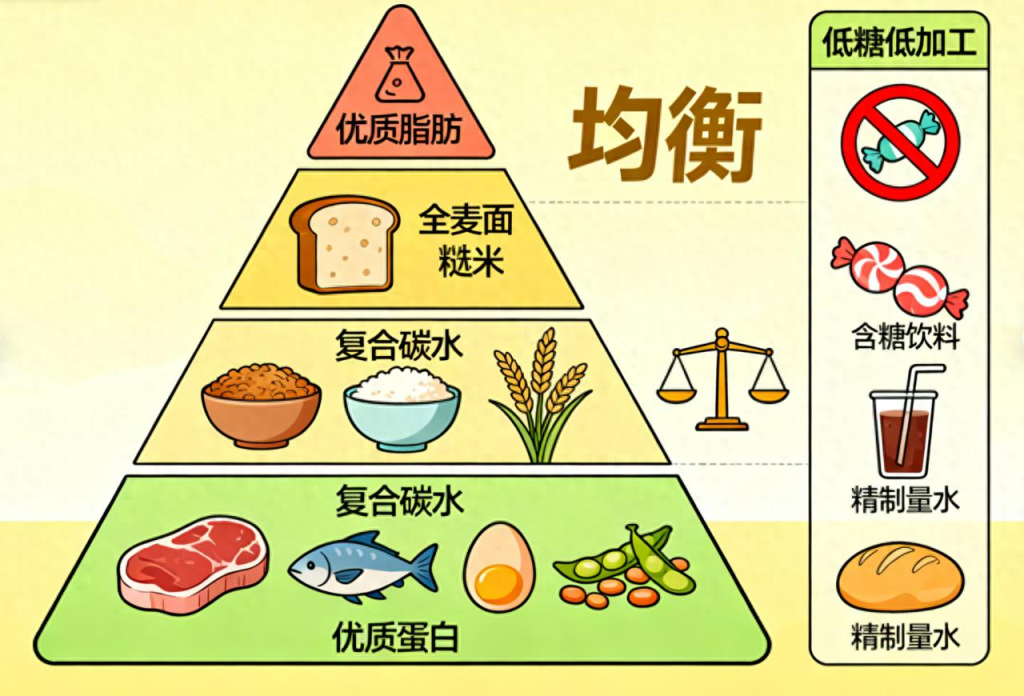
Adequate intake of high-quality protein, complex carbohydrates, and healthy fats is essential. Sources of protein include lean meat, fish, eggs, beans, and dairy, which help maintain muscle mass and immune function. Complex carbohydrates such as whole grains, brown rice, and oats provide sustained energy.
-
Limit Sugar and Processed Foods
High-sugar and refined carbohydrate foods can trigger rapid blood glucose spikes, stimulating insulin and IGF-1 pathways that may indirectly promote tumor growth. Reduce intake of candies, sugary drinks, and high-fructose corn syrup.

-
Variety of Vegetables and Fruits
Fresh vegetables and fruits are rich in fiber, vitamins, and antioxidants, helping to reduce oxidative stress and inflammation. Cooked or steamed vegetables may be preferable for patients with gastrointestinal sensitivity. -
Adequate Hydration
Sufficient fluid intake helps maintain hydration, kidney function, and toxin clearance. Aim for 1.5–2 liters daily, including water, soups, and diluted juices. -
Limit Irritating Foods
Spicy, overly salty, fried, or smoked foods may worsen gastrointestinal discomfort or interfere with medication metabolism. Consume according to tolerance.
2. Lifestyle Recommendations
-
Regular Sleep Schedule
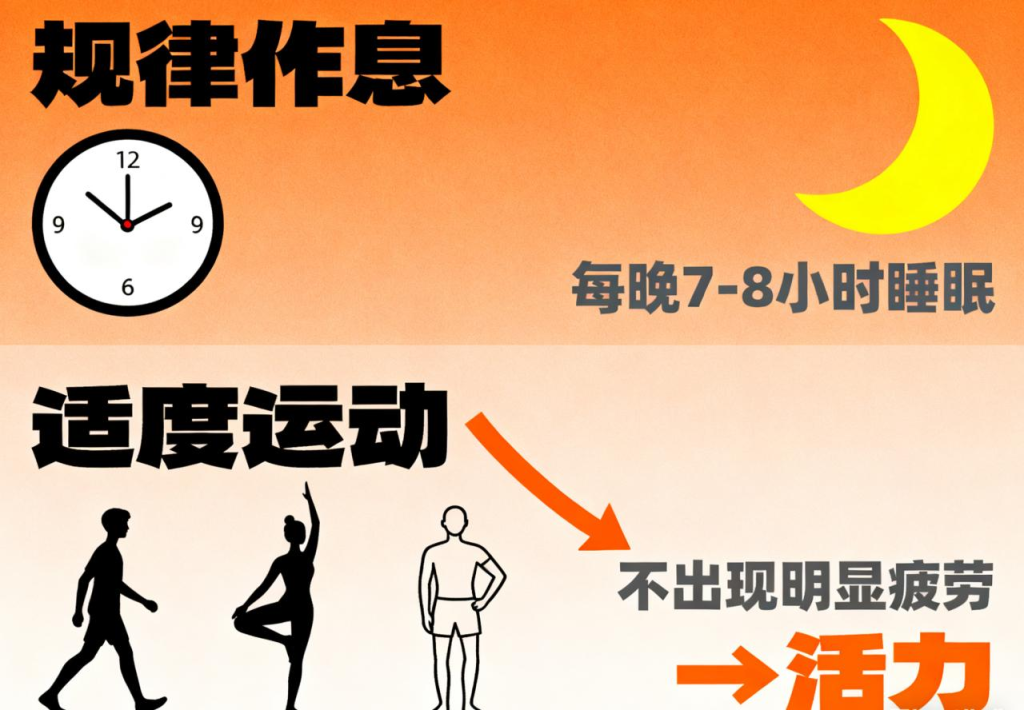
Adequate sleep supports immune repair and cell regeneration. Aim for 7–8 hours nightly and avoid late nights or irregular schedules.
-
Moderate Exercise
Activities such as walking, stretching, yoga, or breathing exercises improve circulation, strength, and mood. Adjust intensity based on energy levels and medical guidance.
-
Avoid Smoking and Limit Alcohol
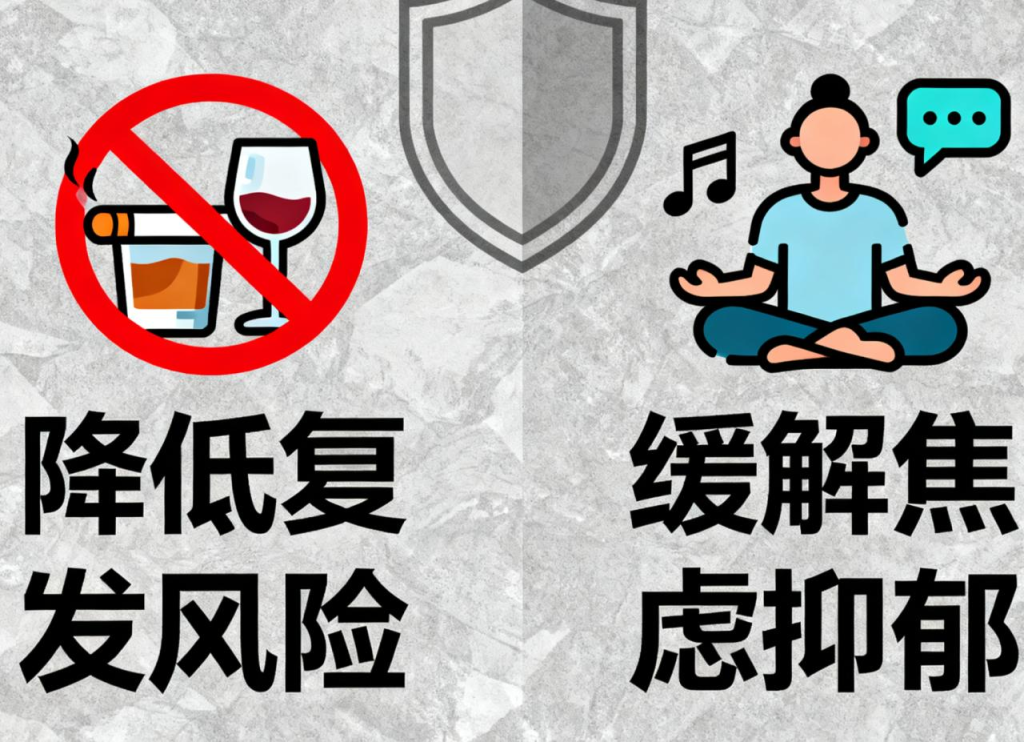
Tobacco and excessive alcohol increase the risk of recurrence and interfere with drug metabolism. Strict avoidance is recommended during treatment and recovery. -
Mental Health Management
Anxiety and stress are common in cancer patients. Mindfulness, music therapy, social support, and professional counseling can help maintain psychological well-being. -
Regular Monitoring and Follow-Up
Routine check-ups allow timely assessment of health, nutrition, and treatment effects. Physicians can adjust medications, dietary plans, and exercise programs accordingly.
3. Special Considerations
-
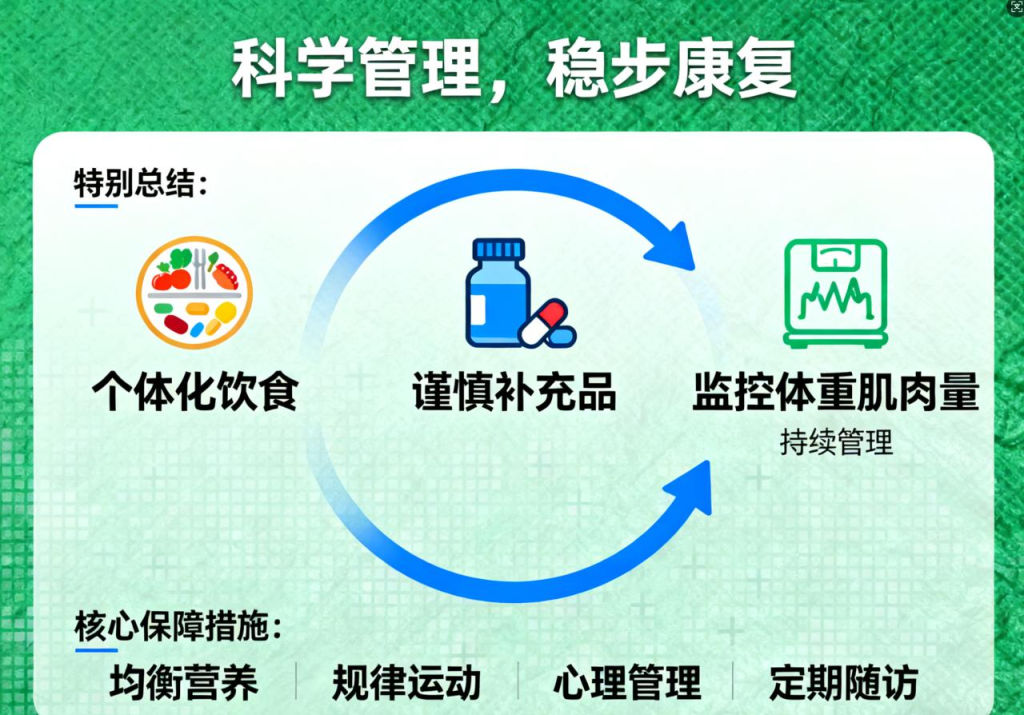
Personalized Nutrition: Diet should be tailored to tumor type, treatment stage, and individual condition under professional guidance.
-
Supplements Caution: Herbal supplements and antioxidants may interfere with treatment; consult a doctor before use.
-
Monitor Weight and Muscle Mass: Sudden weight loss or muscle wasting can affect treatment tolerance and require dietary adjustments.
Conclusion
Recovery from cancer is not only about medications but also about scientifically managed diet and lifestyle. Balanced nutrition, low sugar intake, regular exercise, mental health care, and timely follow-up help patients maintain strength, support immune function, and improve treatment outcomes. Managing diet and lifestyle is an essential part of a cancer patient’s journey to better health.
Eltromin 25/50 Eltrombopag
Enatinib 4/10 Lenvatinib
Lynparib Olaparib
Coltinib Upadacitinib
Alvonib Osimertinib
Techno
Well-known pharmaceutical company in Bangladesh:https://www.radiantpharmacil.com










暂无评论内容